The AFAM Roadshow

A traveling project bridging art, research, and circular logistics

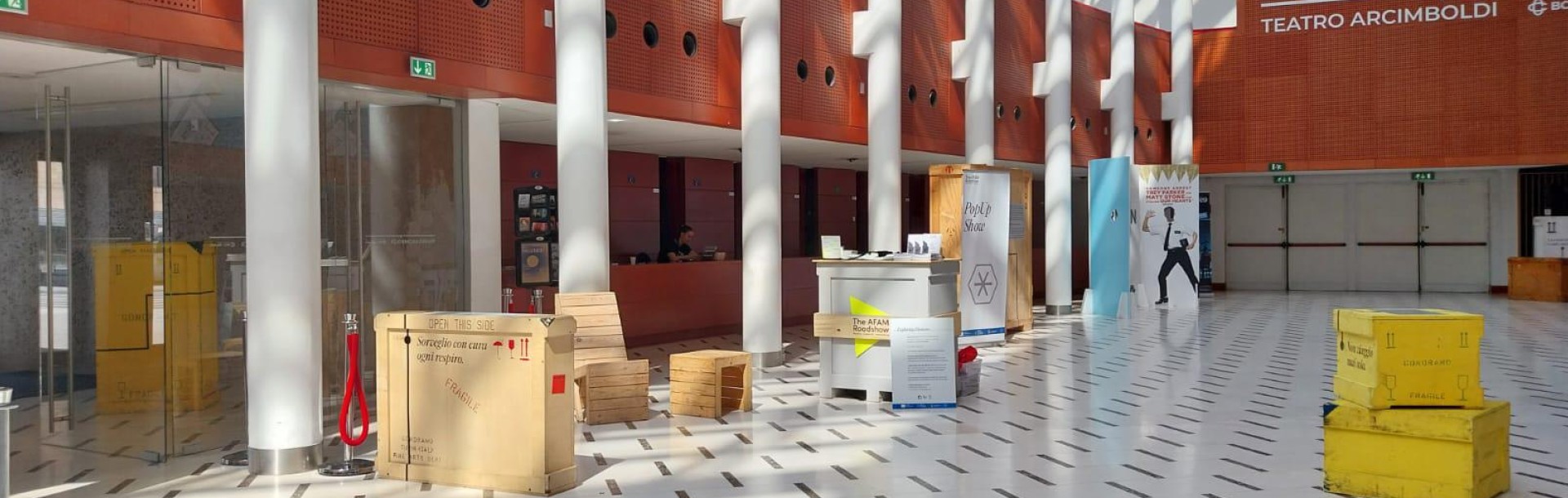
The AFAM Roadshow. Research. Creativity. Innovation is a traveling initiative that crossed seven Italian cities, connecting art, design, science, and technology in an open, concrete dialogue. The project is coordinated by the Institute of Heritage Science of the Italian National Research Council (CNR) and RUFA – Rome University of Fine Arts, with the aim of guiding cultural institutions through a shared reflection on the present and future of Italy’s cultural heritage.

Conferences, workshops, lectio magistralis, performances, and installations shaped a distributed narrative capable of bringing together research and design practice, placing themes such as sustainability, inclusion, multidimensionality, and new forms of responsible creativity at the center.

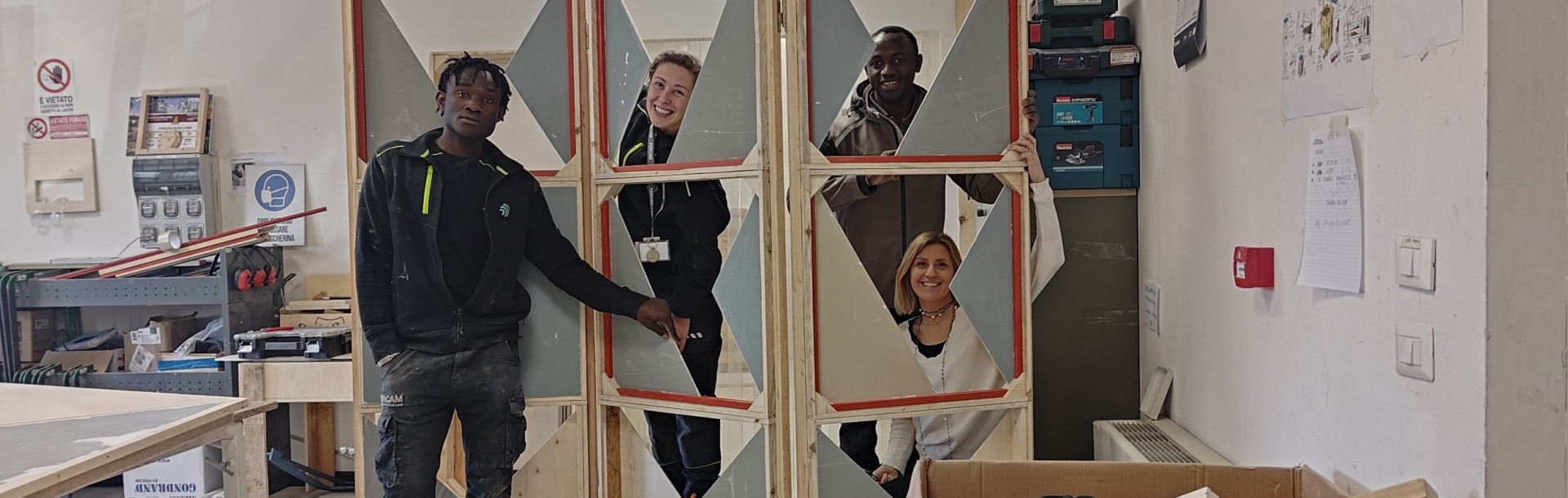
Echo Labs took part in the roadshow by designing and producing the installations for all stages, adopting an approach that combines vision, attention to detail, and craftsmanship. The work emerged from the intersection of scientific research, creative manufacturing, and social commitment, where design becomes a tool for storytelling, connection, and listening.

The installations were conceived as true narrative devices: structures designed to guide the audience through the exhibition path and to make visible what usually remains in the background, highlighting the human, material, and cultural dimension of logistics applied to art.
A modular installation

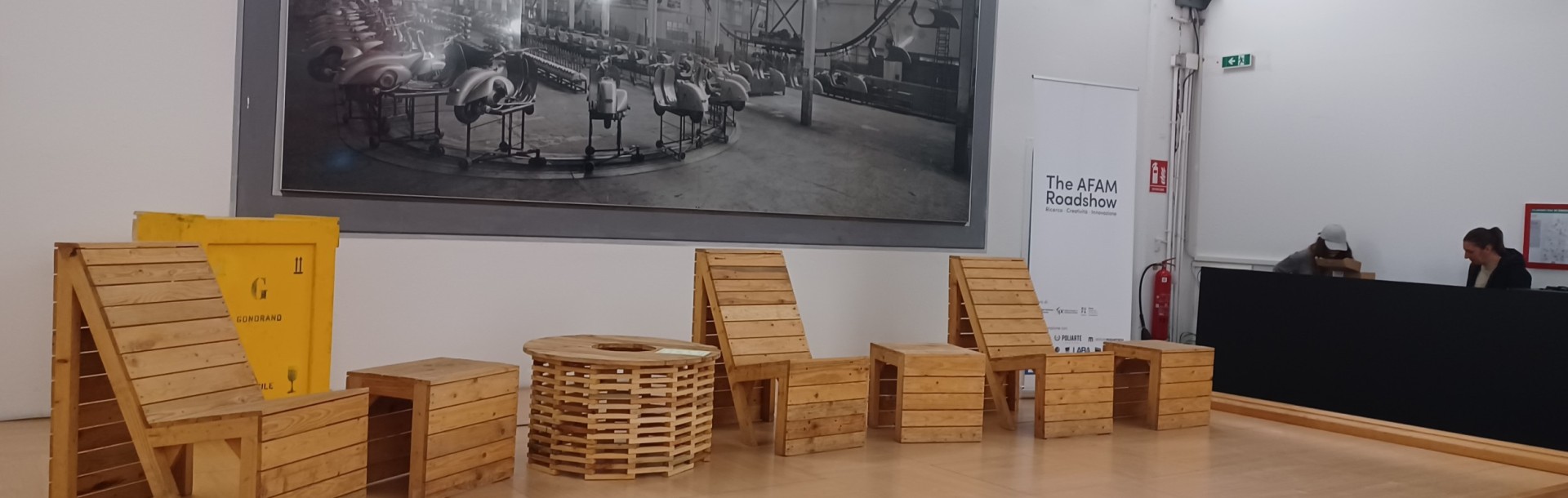
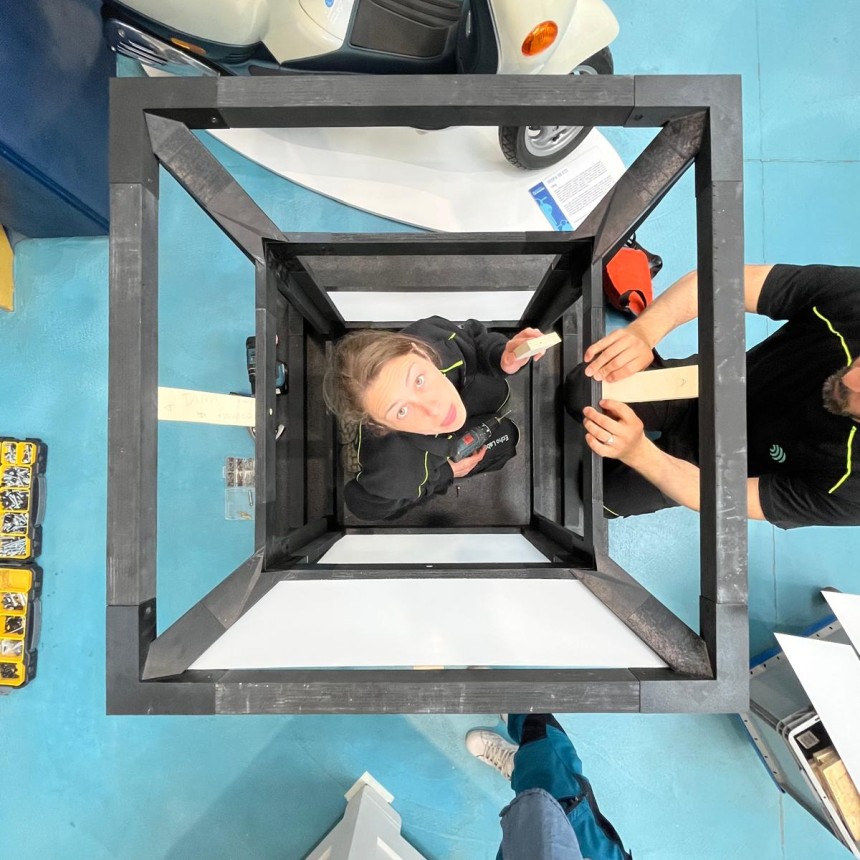
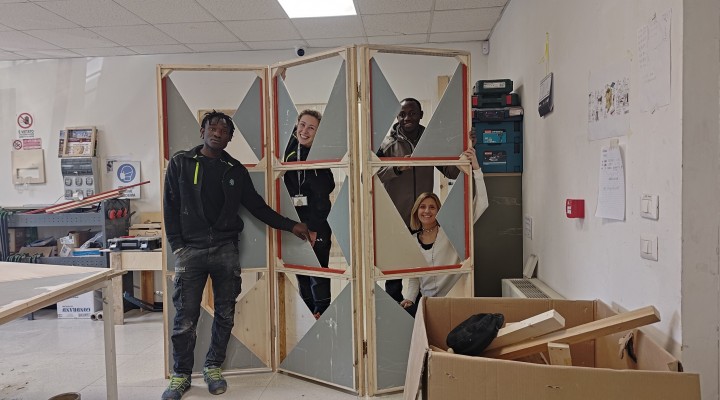
To respond to the experimental and itinerant nature of the project, Echo Labs developed a durable and flexible modular system, built according to ecodesign and upcycling principles. Industrial pallets, decommissioned stage sets, and crates used for transporting artworks, including items from FERCAM’s Fine Art logistics chain, were regenerated and transformed into exhibition furniture, interactive installations, multimedia supports, and immersive structures.

The crates, in particular, were not simply reused but brought to the foreground. Through explicit visual storytelling, these technical elements became an active part of the narrative, conveying ideas of material second life, care, and a new aesthetic of functionality. Each stop resulted in a site-specific installation, conceived in dialogue with very different spaces and architectures, ranging from university campuses to museums, from theaters to historic venues.

A journey that creates impact

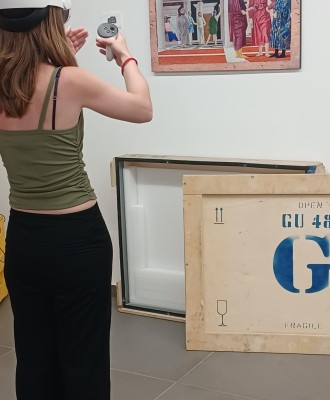
The collaboration with CNR ISPC and RUFA opened up new design and research trajectories, making it possible to experiment with different languages and approaches. The installations also told stories that often remain invisible, such as the backstage of fine art logistics, made accessible through the digitalization of Fine Art crates, or the value of accessibility as an integral part of the project.

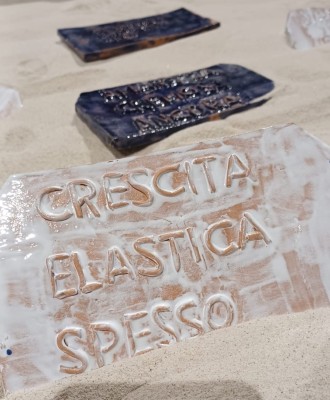
Within this framework, installations such as the sensory table created at the Mole Vanvitelliana, in dialogue with the Museo Omero, take shape. Designed to be explored also by blind and visually impaired visitors, it represents a simple yet meaningful gesture that conveys an idea of sustainability understood as environmental, social, and cultural responsibility at once.

The AFAM Roadshow was, above all, a shared journey. A distributed co-design laboratory that, over ten months, connected institutions, academies, designers, researchers, artisans, and students, creating opportunities for genuine exchange and mutual growth.

A project made of working hands, dedicated time, and relationships built step by step. An experience that goes beyond the installations themselves, leaving behind skills, connections, and a shared vision: that of a culture of sustainability rooted in reuse, care for materials, and the ability to transform industrial processes into social and territorial value.

ESG IMPACTS

ENVIRONMENTAL

  • 754.2 kg of recovered wood
  • Over 375 kg of CO₂ emissions avoided
  • Zero use of virgin raw materials

SOCIAL

  • 1,406 hours of work in the social carpentry workshop
  • Direct involvement of carpenters, refugees, and asylum seekers in training and autonomy pathways

GOVERNANCE

  • 7 traveling exhibitions
  • 200 hours of design and coordination
  • 684 participants including students and designers
  • 148 speakers involved