Together with La Maison, we regenerate spaces and relationships

A project of urban and social regeneration

For Echo Labs, regenerating an urban space is not just a physical intervention: it is an act of care for the people who inhabit it. From this belief comes our contribution to the redevelopment of the Shared Garden within Parco Danilo Di Veglia, in the heart of the Collatino district, in Rome’s eastern quadrant.

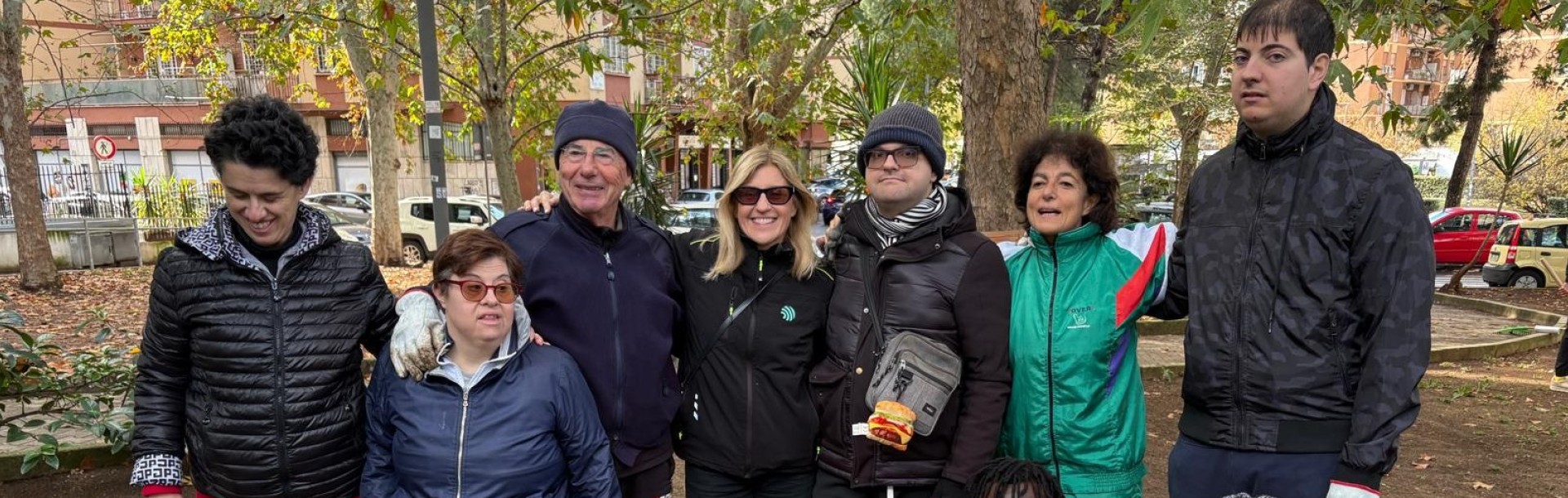
The project took shape thanks to the initiative of the 5th Municipality of Rome and the collaboration with La Maison, an organization deeply rooted in the local area and long committed to supporting children and young adults with disabilities, learning difficulties, or in situations of social vulnerability.

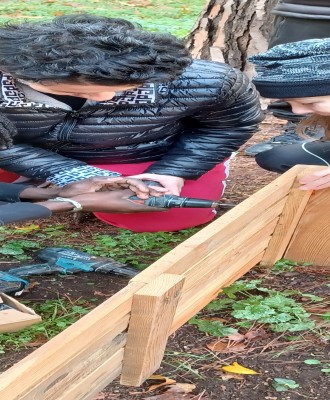
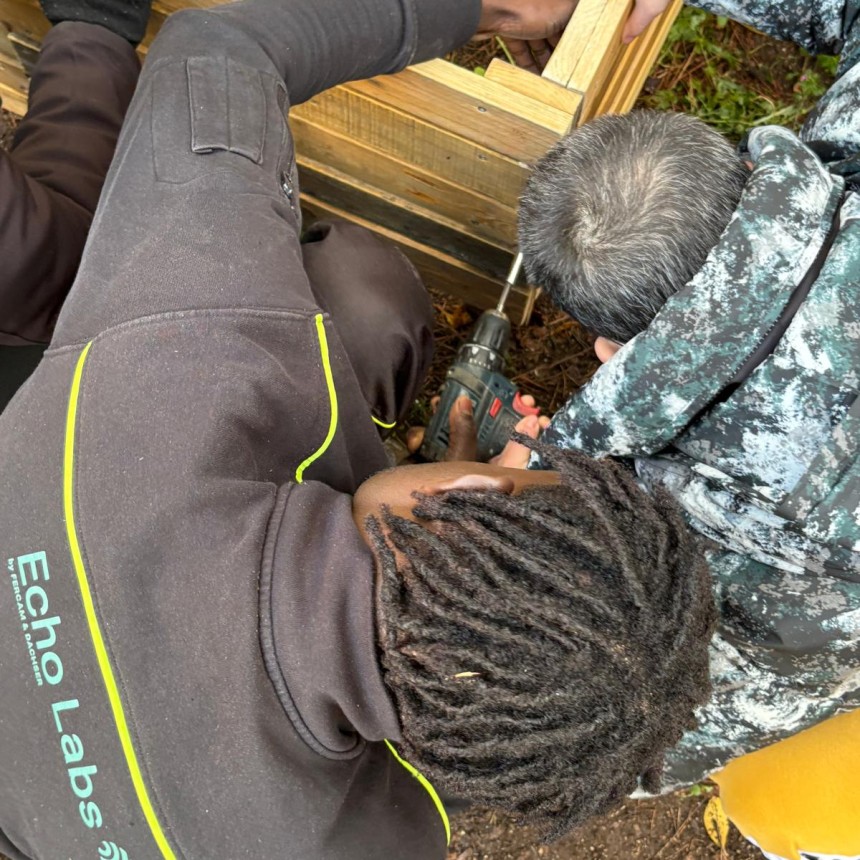
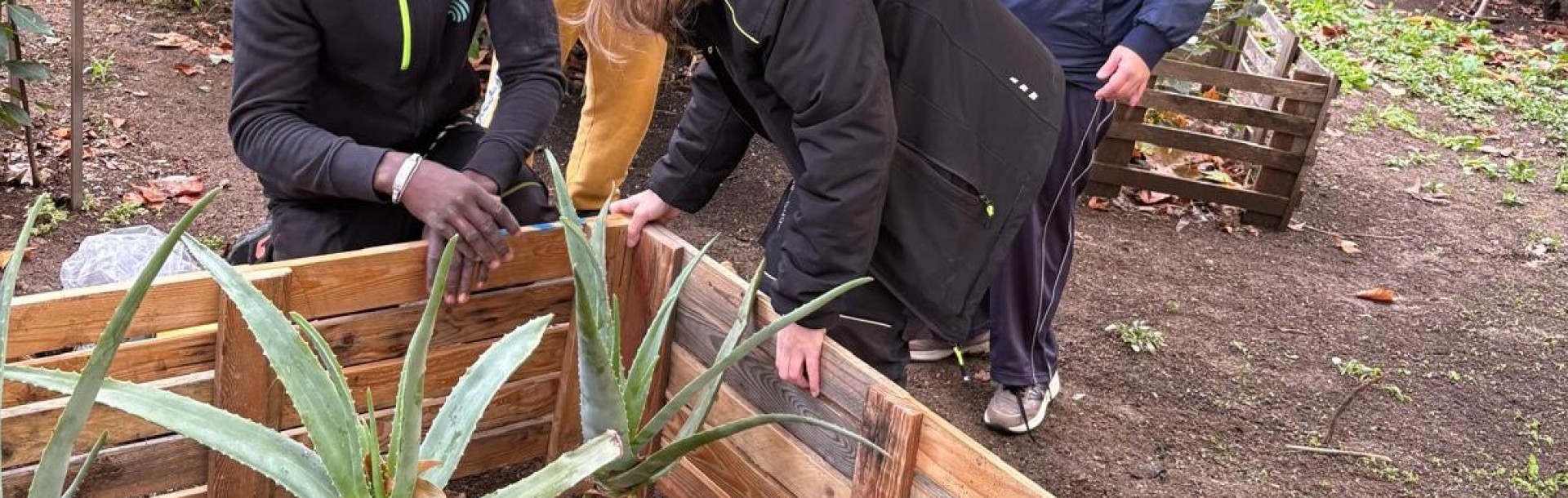
Our contribution started from what is essential for Echo Labs: doing things together, working with our hands, and taking the time needed. Together with the young people from La Maison, we designed and built a new fence and several planters, recovering 94 kg of end-of-life wood. A simple and tangible act of circular economy, capable of combining environmental sustainability, hands-on learning, and personal responsibility, transforming discarded materials into new opportunities.
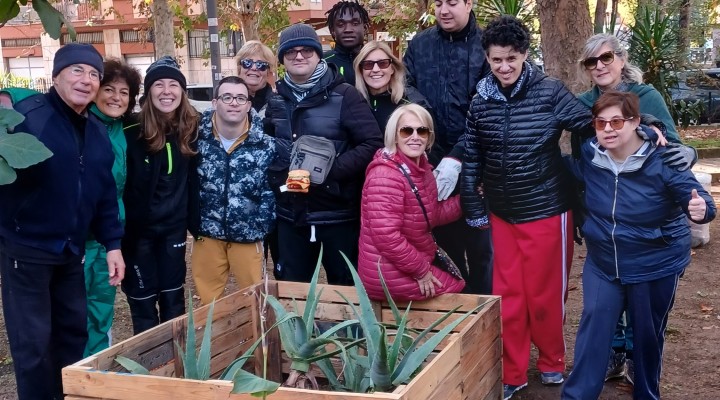
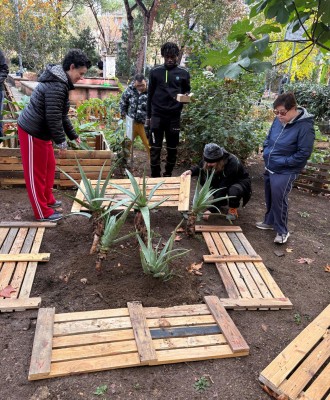
Founded in 2009, La Maison supports children and young adults, together with their families, along paths toward personal and social autonomy, placing the individual at the center in their full human and relational dimension. Working alongside them meant giving value to a dual process: regenerating a physical space while at the same time nurturing trust, skills, and a sense of belonging.

The structures were also built during Rom-E, through shared workshop moments that encouraged exchange, collaboration, and mutual learning. The journey concluded on Saturday, November 22, with the installation of the new fence within the garden, made possible thanks to the contribution of the young people, volunteers, and the local community. A simple moment, yet rich in meaning.

For Echo Labs, projects like this represent the most authentic way to generate impact: starting from the territories, listening to real needs, and building concrete responses together with communities.
Because regenerating a space, first and foremost, means taking care of the relationships that bring it to life.